
A chipped tooth can affect your confidence, especially when the damage is visible every time you smile. Fortunately, a chipped front tooth can often be restored using cosmetic bonding, a porcelain veneer or a dental crown.
The best treatment depends on the depth of the fracture, the remaining tooth structure and your cosmetic goals.
At Burleigh Dental Studio, our dentists in Burleigh Heads assess damaged front teeth and recommend treatments designed to restore their natural appearance. Here's how we determine which option may suit your smile.
Can a Chipped Front Tooth Be Fixed?
Yes, most chipped front teeth can be repaired, although the appropriate treatment depends on the extent of the damage.
A minor chip affecting only the enamel may require simple smoothing or tooth-coloured bonding. Larger fractures may benefit from a porcelain veneer or dental crown.
However, the visible size of a chip doesn't always indicate how serious the damage is.
For example, a noticeable corner missing from a front tooth might be straightforward to repair if the underlying structure remains healthy. Meanwhile, a smaller chip accompanied by a deeper fracture could require more extensive treatment.
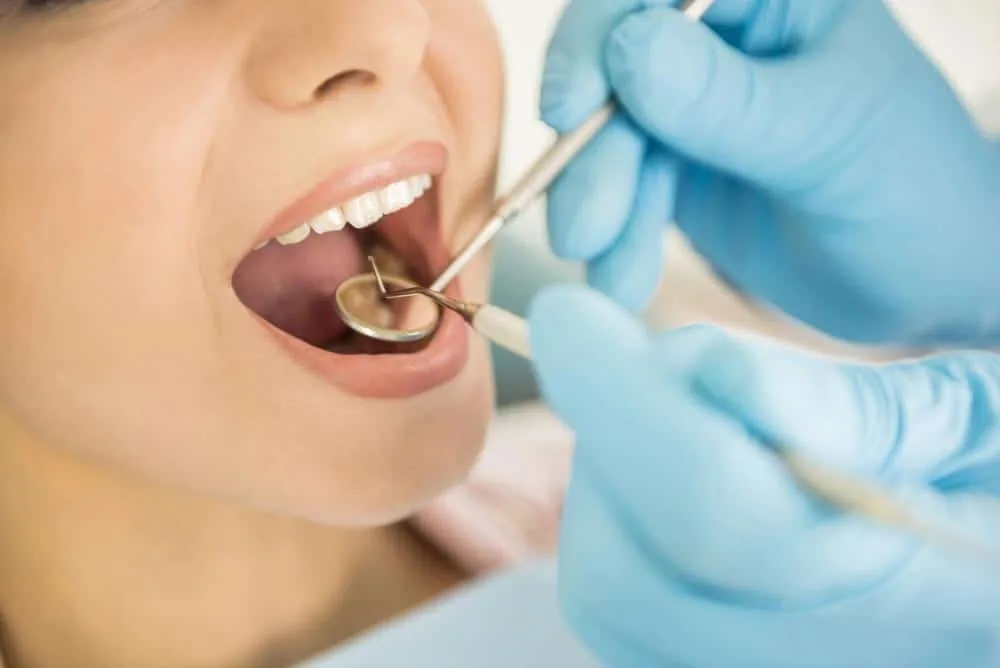
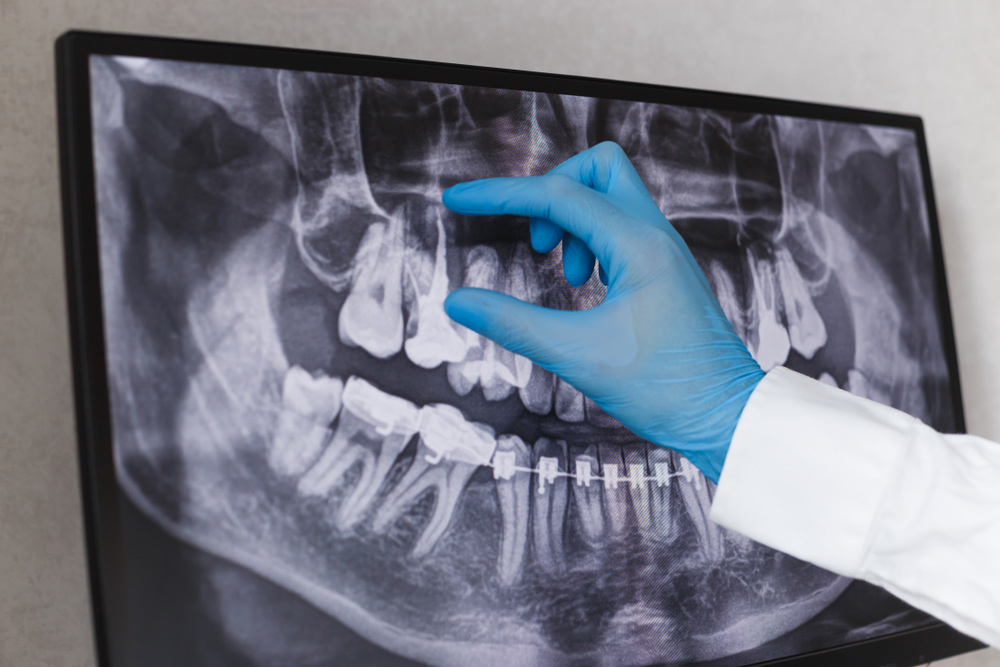
During your consultation, we'll examine the tooth, assess your bite and determine whether the damage extends beyond the enamel.
Why Fracture Depth Matters
The depth of a fracture is often more important than how much tooth appears to be missing.
Your teeth contain several layers, each affecting the type of repair required.
Enamel is the hard outer surface protecting your teeth. Minor enamel chips are often suitable for conservative cosmetic repairs.
Dentine sits beneath the enamel and is more sensitive. Fractures exposing dentine may require additional restoration.
Pulp contains nerves and blood vessels. Damage extending into this area may require treatment beyond a cosmetic restoration.
Your dentist will also assess whether enough healthy tooth structure remains to support a repair.
A small chip with an underlying crack may need a different approach from a larger, uncomplicated enamel fracture.
This is why professional assessment matters before choosing treatment based on appearance alone.
Option One: Cosmetic Bonding
Cosmetic bonding is often suitable for smaller chips where most of the natural tooth remains intact.
During chipped tooth repair, your dentist applies tooth-coloured composite resin to the damaged area. The material is shaped to recreate the missing portion before being hardened and polished.
Bonding is particularly useful for restoring chipped corners, uneven edges or minor cosmetic imperfections.
Its advantages include:
- Minimal removal of healthy tooth structure in many cases
- Treatment often completed in one appointment
- Colour matching to surrounding teeth
- Generally lower initial costs than porcelain restorations
- The possibility of future repairs or adjustments
However, composite resin can gradually stain, wear or chip, particularly when exposed to heavy biting forces.
If you're comparing bonding with porcelain, our guide, What's the Difference Between Cosmetic Bonding and Veneers?, explains the differences.
Option Two: Porcelain Veneers
A porcelain veneer may be recommended when a front tooth needs more extensive cosmetic restoration but retains sufficient healthy structure.
A chipped tooth veneer is a thin, custom-made ceramic covering bonded to the front surface of the tooth.
Unlike bonding, which repairs a specific damaged area, veneers can reshape the visible tooth surface more comprehensively.
They may suit patients with chipped edges, uneven proportions or discolouration alongside their damaged tooth.
For patients considering veneers on the Gold Coast, important factors include enamel condition, bite alignment and desired appearance.
Porcelain veneers offer several potential benefits:
- Natural-looking colour and translucency
- Resistance to surface staining
- Customised tooth shape and proportions
- A smooth, polished finish
- The ability to address multiple cosmetic concerns
However, veneers generally require more preparation and a higher initial investment than bonding.
They aren't suitable for every fracture. If substantial tooth structure has been lost, a crown may provide more appropriate coverage.
Option Three: Dental Crowns
A dental crown covers the visible portion of a tooth above the gumline, restoring its shape, appearance and function.
A chipped tooth crown may be recommended when significant tooth structure has been lost or a fracture has weakened the remaining tooth.
Unlike veneers, which primarily cover the front surface, crowns provide more extensive coverage.
At Burleigh Dental Studio, we offer porcelain and zirconia crowns designed to complement natural teeth.
A crown may be appropriate when:
- A large portion of the tooth has broken away
- Remaining tooth structure requires additional protection
- Existing restorations have weakened the tooth
- A fracture affects multiple surfaces
- The tooth requires substantial rebuilding
For patients exploring dental crowns on the Gold Coast, we'll assess whether sufficient healthy tooth structure remains to support the restoration.
Although crowns provide extensive coverage, they generally require more tooth preparation than bonding or veneers.
Our approach focuses on recommending appropriate treatment while preserving healthy tooth structure wherever possible.
How We Match Your Natural Smile
A successful front tooth restoration should blend with neighbouring teeth rather than appear bulky, unnaturally white or noticeably different.
At Burleigh Dental Studio, cosmetic treatment planning considers tooth shape, shade, proportions and how the restoration complements your smile.
We use Trios digital scanning technology to capture detailed information about your teeth and support the creation of customised restorations.
Our porcelain and zirconia crowns and veneers are handcrafted in collaboration with a laboratory ceramist.
Several details contribute to a natural-looking result.
Shade matching: Selecting colours that complement neighbouring teeth rather than choosing an excessively bright finish.
Translucency: Recreating how natural enamel interacts with light.
Tooth shape: Restoring contours and proportions that suit your existing smile.
Surface texture: Creating a finish that complements surrounding enamel.
Bite alignment: Ensuring the restoration functions comfortably during everyday activities.
Depending on your treatment, a try-in appointment may help assess appearance and fit before permanent bonding.
You can explore examples of our cosmetic treatments in our before and after gallery.
How Much Does Repair Cost?
If you're wondering how much it costs to fix a chipped tooth, the answer depends on the damage and treatment required.
A small composite repair generally costs less initially than a custom porcelain veneer or crown. However, choosing the cheapest option isn't always appropriate when the tooth needs additional protection.
Several factors influence pricing.
Size and Depth
Minor enamel damage may require a straightforward repair, while deeper fractures can involve additional assessment and restorative work.
Treatment Material
Composite resin, porcelain and zirconia have different material costs, preparation requirements and fabrication processes.
Number of Teeth
Repairing one damaged tooth differs from restoring several teeth to achieve consistent proportions and colour.
Additional Treatment
Some patients may require further dental treatment before their cosmetic restoration can proceed.
Private Health Insurance
Depending on your policy, private health insurance may contribute towards eligible dental treatment.
You can request an itemised treatment plan containing relevant dental item numbers to check your available benefits, including through HICAPS where applicable.
Your out-of-pocket expenses will depend on your health fund, coverage and remaining benefits.
Which Repair Is Right?
Understanding how to fix a chipped front tooth starts with identifying the extent of the damage.
For small, uncomplicated chips, cosmetic bonding may provide a conservative solution.
When the tooth remains structurally healthy but needs more comprehensive cosmetic reshaping, a porcelain veneer may be appropriate.
For extensive damage or weakened tooth structure, a crown may offer better coverage and protection.
Your dentist will also consider your bite, oral health, cosmetic preferences and budget.
No restoration lasts indefinitely. Bonding, veneers and crowns can require maintenance, repairs or eventual replacement.
The goal is to select a treatment that balances natural appearance, function and preservation of healthy tooth structure.
Protecting Your Repaired Tooth
Looking after your restoration helps reduce the risk of future damage.
Maintain good oral hygiene, attend regular dental appointments and avoid using your teeth to open packaging or bite particularly hard objects.
If you grind or clench your teeth, your dentist may recommend a protective night guard.
A properly fitted mouthguard is also important during contact sports.
Although cosmetic restorations are designed for everyday function, excessive pressure or trauma can still damage them.
If you notice a new crack, rough edge or change in your bite, arrange a dental assessment.
Restore Your Smile Naturally
A damaged front tooth doesn't automatically require a veneer or crown. The most suitable treatment depends on fracture depth, remaining tooth strength and your cosmetic goals.
At Burleigh Dental Studio, we offer personalised cosmetic dentistry treatments, including bonding, porcelain veneers and custom dental crowns.
Whether you've recently damaged a tooth or want to repair an older chip, our team can assess your options and explain the likely costs.
Contact Burleigh Dental Studio to book a consultation and discuss restoring your smile's natural appearance.
Frequently Asked Questions
A small chip won't naturally regrow or repair itself. Although a rough edge may become less noticeable through everyday wear, professional smoothing or bonding may improve its appearance. Avoid attempting to file the tooth yourself.
Yes. Many damaged front teeth can be restored using cosmetic bonding or veneers. The appropriate option depends on the remaining tooth structure and whether the fracture affects its strength.
Cosmetic bonding can last several years, although its lifespan depends on biting forces, oral hygiene and daily habits. Composite resin may eventually stain, wear or chip, requiring maintenance or replacement.
Most patients can return to normal eating once their dentist confirms the restoration is ready for use. Avoiding very hard foods and excessive pressure on the repaired edge can help protect it.
Arrange a dental assessment promptly, even if the damage doesn't hurt. Pain, significant sensitivity, looseness or a suspected deep fracture may require more urgent attention.